
Meditation can feel like a mystery when you’re just starting out. But really, it’s just about finding a bit of calm in the chaos of life. This guide will walk you through the basics, from what meditation really is, to setting up your own little zen corner at home. Whether you’re curious about mindfulness or just want to chill out a bit, this is the place to start.
Key Takeaways
- Meditation helps in reducing stress and boosting focus.
- There are various meditation styles to explore, like mindfulness and guided meditation.
- Creating a peaceful space can enhance your meditation experience.
- Consistency is important for building a meditation habit.
- Using breathing techniques and mantras can deepen your practice.
Understanding the Basics of Meditation
What is Meditation?
Meditation is like a mental workout, but instead of lifting weights, you’re training your mind. It’s not about emptying your head of thoughts; rather, it’s about noticing them and then letting them drift away like clouds in the sky. Meditation is a practice that focuses on developing awareness and attention. You can think of it as a way to hit pause on the chaos of daily life, giving yourself a moment to breathe and simply be. Many people find that meditation helps them become more present and less reactive to the world around them.
The History of Meditation Practices
The roots of meditation stretch back thousands of years, weaving through various cultures and religions. Originating in ancient India, meditation was a key part of spiritual practice in Hinduism and Buddhism. Over time, it spread to other parts of Asia and eventually to the Western world. Each culture adapted meditation to fit its own beliefs and needs, leading to a diverse array of techniques and traditions. Whether it was used for spiritual enlightenment or simply to find some peace and quiet, meditation has always been about exploring the depths of the mind.
Common Misconceptions About Meditation
There are a lot of myths floating around about meditation. One biggie is that you need to sit cross-legged on the floor for hours. Not true! You can meditate sitting in a chair, lying down, or even while walking. Another misconception is that meditation is only for spiritual folks. While it does have spiritual roots, anyone can benefit from meditation, regardless of their beliefs. And let’s not forget the idea that meditation is about "stopping thoughts." As this guide explains, it’s really about recognizing your thoughts and learning to let them go, not stopping them entirely. Finally, some people think they have to be "good" at meditation to get anything out of it. But meditation is a practice, and like anything else, it takes time and patience to see the benefits.
Benefits of Meditation for Beginners
Enhancing Mental Clarity and Focus
Meditation is like a mental workout, helping you clear the fog in your mind. Regular practice can sharpen your focus, allowing you to concentrate better on tasks at hand. It’s like cleaning a cluttered room; once everything is in order, you can find what you need more easily. Many people find that even a few minutes of daily meditation can make a significant difference in their ability to stay on task and think clearly.
Reducing Stress and Anxiety
In today’s fast-paced world, stress and anxiety are almost unavoidable. Meditation offers a simple yet effective way to manage these feelings. By sitting quietly and focusing on your breath, you can create a sense of calm and reduce the intensity of anxious thoughts. This practice is especially beneficial when incorporated into a daily routine, as it can help you build resilience against everyday stressors. Guided meditation is a great starting point for many, offering structured sessions that can ease you into relaxation.
Improving Emotional Well-being
Emotional well-being isn’t just about feeling happy all the time; it’s about being able to handle whatever life throws at you. Meditation can help you become more aware of your emotions, allowing you to respond rather than react. This heightened awareness can lead to a more balanced emotional state, where happiness isn’t fleeting and stress doesn’t linger. Over time, meditation can help you cultivate a more positive outlook on life, making it easier to navigate through ups and downs.
Different Types of Meditation Techniques
Mindfulness Meditation Explained
Mindfulness meditation is all about being present. You just sit quietly and pay attention to your thoughts, without getting caught up in them. It’s like watching clouds drift by. The goal isn’t to stop thinking but to notice your thoughts and let them pass. This kind of meditation helps you become more aware of your surroundings and your feelings. You can start by focusing on your breathing or observing sensations in your body. Over time, this practice can boost your concentration and help you manage stress better.
Guided Meditation for Relaxation
Guided meditation is perfect if you’re new to meditation. An instructor or a recording leads you through the process, helping you relax and focus your mind. It’s like having a personal coach. You might be guided to imagine peaceful scenes or focus on your breathing. This type of meditation can be especially helpful for reducing stress and anxiety. Here’s how to get started:
- Find a quiet spot where you won’t be disturbed.
- Sit comfortably or lie down.
- Start with a short session, maybe 5 to 10 minutes.
- Use apps or online videos that guide you through the meditation.
- Practice regularly to see the best results.
Loving-Kindness Meditation
Loving-kindness meditation, or Metta, is about developing compassion and love for yourself and others. You start by focusing on yourself, then gradually extend those feelings to loved ones, acquaintances, and even people you might have conflicts with. It’s a way to open your heart and mind. Regular practice can increase your empathy and make you feel more connected to others. You might repeat phrases like "May I be happy" or "May you be safe" during the meditation. It’s a simple yet powerful way to cultivate kindness and positive emotions.
Meditation is a journey, not a destination. Trying different techniques can help you find what resonates with you. Whether it’s mindfulness or loving-kindness, each type offers unique benefits that can enrich your life.
Setting Up Your Meditation Space
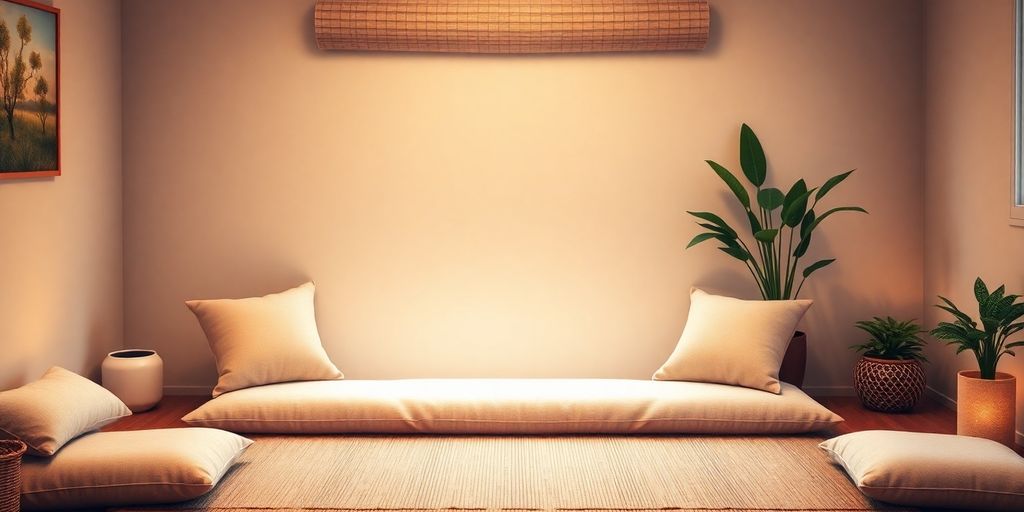
Creating a dedicated space for meditation can significantly enhance your practice. This isn’t just about aesthetics; it’s about crafting an environment that supports relaxation and focus.
Choosing the Right Environment
When picking a spot for meditation, think about where you feel most at ease. It could be a quiet corner in your living room or a cozy nook by the window. The key is to find a place where distractions are minimal. Consider the natural light and noise levels—some prefer a dimly lit area, while others might enjoy a sunlit space.
Essential Meditation Tools and Accessories
While meditation doesn’t require much, a few tools can make the experience more comfortable:
- Cushions or Mats: These help in maintaining a comfortable posture, especially if you’re sitting for extended periods.
- Blankets: Useful for keeping warm, as body temperature can drop during meditation.
- Incense or Candles: These can create a soothing aroma, helping to set a calming atmosphere.
Creating a Calming Atmosphere
To foster tranquility, personalize your space with elements that resonate with you. This might include:
- Plants: Adding greenery can bring a sense of peace and connection to nature.
- Artwork: Choose pieces that evoke calmness and inspiration.
- Sound: Consider soft background music or nature sounds to drown out any disruptive noises.
A well-thought-out meditation space can transform your practice, making it a cherished part of your daily routine. It’s about creating a sanctuary that invites you to pause, breathe, and explore innovative stress relief techniques for a calmer mind.
Developing a Consistent Meditation Practice
Establishing a Daily Routine
Creating a daily meditation routine can be a game-changer for anyone looking to dive deeper into the practice. Setting aside a specific time each day for meditation helps train your mind and body to anticipate this period of calm, making it easier to stick with it. Whether it’s first thing in the morning or just before bed, consistency is key.
Here’s a simple way to get started:
- Choose a Time: Decide on a time that fits seamlessly into your daily schedule.
- Set a Reminder: Use an alarm or a calendar alert to remind you of your meditation session.
- Start Small: Begin with just 5 to 10 minutes and gradually increase the duration as you become more comfortable.
Overcoming Common Challenges
Meditation isn’t always easy, especially when life gets hectic. Here are some common hurdles and how to overcome them:
- Distractions: Find a quiet space where interruptions are minimal. If noise is unavoidable, consider using earplugs or playing soft background music.
- Restlessness: It’s normal to feel antsy at first. Try focusing on your breath or using a mantra to keep your mind engaged.
- Lack of Motivation: On days when you’re struggling to find motivation, remind yourself of the benefits meditation brings, like reduced stress and improved focus.
Tracking Your Progress and Growth
Monitoring your meditation journey can be incredibly rewarding. It helps you see how far you’ve come and what areas you might want to improve. Here are some tips:
- Journaling: Keep a meditation journal. Write down how you felt before and after each session.
- Apps and Tools: Use meditation apps that offer progress tracking features to help you stay on track.
- Reflect Regularly: Take time each month to reflect on your practice. Notice any changes in your stress levels or emotional well-being.
Remember, meditation is a personal journey. There’s no right or wrong way to do it, only what feels right for you. Stay patient and enjoy the process.
Advanced Tips for Deepening Your Meditation
Exploring Breathwork Techniques
Breathwork is like the secret sauce in meditation. It’s not just about breathing in and out; it’s about connecting your mind and body. Start with something simple, like focusing on your breath’s natural rhythm. Feel the air fill your lungs, then gently let it go. Try techniques like 4-7-8 breathing: inhale for four counts, hold for seven, and exhale for eight. You’ll be amazed at how this calms the mind and body.
Incorporating Visualization Practices
Visualization is a fantastic tool to supercharge your meditation. Imagine a place where you feel completely relaxed—maybe a beach or a forest. Picture every detail: the sound of waves, the smell of pine. This isn’t just daydreaming; it’s a way to focus your mind and escape stress. You can also visualize achieving goals or overcoming challenges, which can be incredibly empowering.
Understanding the Role of Mantras
Mantras are more than just words; they’re powerful tools for centering your mind. Choose a word or phrase that resonates with you, like "peace" or "calm." Repeat it silently during meditation to help keep distractions at bay. Mantras can be traditional, like "Om," or personal. The key is to find one that brings you focus and tranquility.
Wrapping It Up
So, there you have it. Meditation isn’t some mystical thing only for monks or yogis. It’s for everyone, even if you’re just starting out. You don’t need fancy gear or hours of free time. Just a quiet spot and a few minutes a day. Remember, it’s not about doing it perfectly. It’s about showing up and giving it a go. Over time, you’ll find a bit more calm and maybe even a little more joy in your day-to-day life. So why not give it a shot? Your mind and body will thank you.
Frequently Asked Questions
What is meditation and how does it work?
Meditation is a practice where you focus your mind on a particular thing, like your breath or a word, to feel calm and relaxed. It helps you clear your mind and feel more at peace.
How long should I meditate each day as a beginner?
As a beginner, try to meditate for about 5 to 10 minutes each day. As you get more comfortable, you can slowly increase the time.
Do I need special equipment to meditate?
No, you don’t need any special equipment to meditate. A quiet space and a comfortable place to sit are all you need to get started.
Can meditation help with stress and anxiety?
Yes, meditation can help reduce stress and anxiety by calming your mind and helping you focus on the present moment.
What if my mind keeps wandering during meditation?
It’s normal for your mind to wander. When it happens, gently bring your focus back to your breath or the object of your meditation without getting upset.
Is meditation a religious practice?
Meditation is not tied to any religion. People from all walks of life use it to find peace and clarity, regardless of their beliefs.

 Neurofeedback Strong
Leave a comment