
Hey there, feeling stressed out lately? You’re not alone. With all the hustle and bustle of daily life, finding a moment of peace can feel impossible. But guess what? There are some cool new ways to chill out and calm your mind, especially as we step into 2025. Let’s explore some innovative stress relief techniques that might just help you find that inner calm you’ve been searching for.
Key Takeaways
- Mindful breathing can really help you relax. Try deep breathing exercises or guided visualizations.
- Cutting down on screen time and taking walks in nature can refresh your mind.
- Getting creative with art, writing, or music can be a great way to relieve stress.
- Physical activities like yoga, Tai Chi, or even dancing can calm your mind.
- Eating right and trying herbal teas might help reduce anxiety.
Mindful Breathing Practices
Deep Breathing Exercises
Deep breathing is a straightforward method that can work wonders for calming the mind. Taking slow, deep breaths can help reduce stress and anxiety. Here’s a simple way to get started:
- Sit or lie down in a comfortable position.
- Close your eyes and take a deep breath in through your nose.
- Hold your breath for a count of four.
- Exhale slowly through your mouth.
- Repeat this for a few minutes, focusing on each breath.
This practice helps to increase oxygen flow, and it’s like hitting a reset button for your brain.
Guided Visualization Techniques
Guided visualization involves using your imagination to picture a calming scene or journey. This can be done with the help of audio guides or simply by using your own thoughts. Imagine yourself on a beach, feeling the warm sand under your feet, or walking through a quiet forest. This mental escape can provide a break from stress, offering a sense of peace and relaxation.
Breath Awareness Meditation
Breath awareness meditation is all about focusing on your natural breathing pattern. You don’t need to change your breath, just notice it. Sit quietly, close your eyes, and pay attention to the sensation of your breath as it enters and leaves your body. If your mind starts to wander, gently bring your focus back to your breathing. This simple practice can help you stay present, reducing stress and improving your overall well-being.
Sometimes, just a few minutes of focused breathing can change your entire day. It’s a simple tool that you can use anytime, anywhere.
Digital Detox Strategies
Reducing Screen Time
In today’s world, screens are everywhere. From phones to laptops, they grab our attention all day long. Cutting back on screen time can make a big difference in how we feel. Start by setting limits on how long you use your devices each day. Maybe try leaving your phone in another room during dinner or before bed. You might be surprised at how much more relaxed you feel.
Embracing Nature Walks
Getting outside is a simple way to clear your mind. Nature walks give you a break from screens and let you enjoy the fresh air. You don’t need to go far; a local park or even your backyard can work wonders. Try to notice the little things, like the sound of the wind or the color of the leaves. It’s all about being present in the moment.
Mindful Social Media Use
Social media can be a double-edged sword. It’s great for staying connected but can also be overwhelming. Practicing mindful social media use means being aware of how it affects you. Limit the time you spend scrolling and focus on following accounts that make you feel good. You could even set specific times to check your feeds, so it doesn’t take over your day.
Taking a step back from screens and enjoying the world around us can lead to a calmer, more peaceful mind. It’s about finding balance in a tech-heavy world, one small step at a time.
Creative Expression for Stress Relief
Art Therapy Techniques
Art can be a powerful outlet for stress. Creating art allows individuals to express emotions that might be hard to put into words. Whether through painting, drawing, or sculpting, the act of creating can be meditative and calming. You don’t have to be an artist to benefit; it’s more about the process than the end result. Try setting aside time each week to engage in some form of art. It might surprise you how relaxing it can be.
Journaling for Emotional Release
Journaling is like having a conversation with yourself. It can help you process thoughts and feelings, making it easier to handle stress. Start by setting a regular time to write, even if it’s just for a few minutes a day. You can jot down what’s on your mind, or use prompts to explore different aspects of your day or emotions. Over time, you’ll notice patterns and gain insights into your stressors and how to handle them better.
Music as a Calming Tool
Music has a unique way of touching our emotions. Whether you’re playing an instrument or just listening, music can be a great way to unwind. Create playlists that match your mood or help you relax. If you’re feeling adventurous, try learning a new instrument. Even singing along to your favorite tunes can be a stress reliever. Remember, it’s not about perfection; it’s about enjoying the music and letting it soothe your mind.
Physical Activities to Calm the Mind
Yoga for Stress Reduction
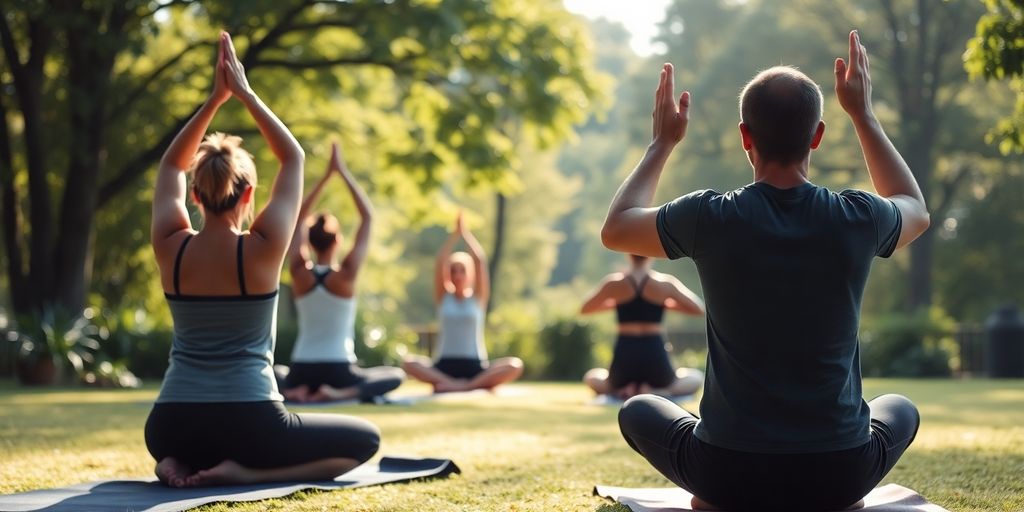
Yoga is more than just twisting your body into pretzel shapes. It’s about finding balance and peace. With each pose, you’re not just stretching muscles; you’re also stretching your mind. Focusing on your breath as you move can help you stay present, which is super calming. Try starting your day with a few sun salutations or winding down with a gentle yoga flow before bed. It’s all about what feels right for you.
Tai Chi Movements
Tai Chi might look slow, but that’s the point. It’s like a moving meditation. Each step and hand movement is done with intention, helping to clear your mind. Practicing Tai Chi can improve flexibility and balance, which is a bonus. Find a quiet spot, maybe in your backyard or a park, and let yourself flow through the movements. You’ll feel more centered and relaxed.
Dance as a Stress Reliever
Dancing isn’t just for the club or a wedding reception. It’s a fantastic way to shake off stress. Turn on your favorite tunes and let your body move however it wants. There’s no right or wrong way to dance in your living room. Whether you’re doing the cha-cha or just swaying side to side, dancing releases endorphins, those feel-good chemicals in your brain. Plus, it’s just plain fun.
Nutritional Approaches to Stress Management
Herbal Teas for Relaxation
Herbal teas have been a go-to remedy for stress relief for ages. Chamomile, lavender, and peppermint teas are especially popular for their calming effects. These teas contain compounds that may help reduce anxiety and promote relaxation. A warm cup before bed can be a comforting ritual to ease the mind. Try different herbal blends to see which one suits you best.
Foods That Reduce Anxiety
What you eat can have a big impact on your mood. Certain foods are known to help reduce anxiety and stress levels. Here’s a quick list to keep in mind:
- Dark chocolate: Contains antioxidants that may help lower stress hormones.
- Berries: Packed with vitamin C, which can help combat stress.
- Nuts and seeds: Rich in magnesium, a mineral that can help regulate emotions.
Supplements for Mental Calmness
Sometimes, your diet might need a little boost. Supplements can play a role in managing stress. Here are some to consider:
- Omega-3 fatty acids: Found in fish oil, these can support brain health and reduce anxiety.
- Ashwagandha: An adaptogen that may help the body manage stress more effectively.
- L-theanine: An amino acid found in tea leaves, known for its calming properties.
Eating right isn’t just about staying fit; it’s also about keeping your mind at ease. By choosing foods and supplements that support mental calmness, you can take a proactive step towards a stress-free life.
Technology-Assisted Relaxation Methods
Virtual Reality Meditation
Imagine slipping on a VR headset and being transported to a tranquil beach or a serene forest. Virtual reality meditation is like a mini-vacation for your mind. It helps you escape the daily grind without leaving your living room. This tech lets you practice mindfulness in a completely immersive environment. You can choose from various scenes that suit your mood and meditate in peace.
Biofeedback Devices
Biofeedback devices are like little coaches that help you understand your body’s stress signals. They monitor things like heart rate and skin temperature, giving you real-time data. With this info, you can learn to control your body’s reactions to stress. It’s like having a personal trainer for your mind, helping you stay calm and collected.
Relaxation Apps for Smartphones
Smartphones aren’t just for scrolling social media; they can be tools for relaxation too. There are apps designed to help you unwind and de-stress. Some apps offer guided meditations, while others provide calming music or nature sounds. You can even find apps that track your stress levels and offer tips on how to relax. It’s like having a pocket-sized relaxation guide with you all the time.
In a world that’s always on, finding moments of calm can be challenging. But with technology on your side, relaxation is just a click away. These tech-assisted methods offer new ways to find peace and quiet, no matter where you are.
Community and Social Connections
Group Meditation Sessions
Group meditation sessions are a fantastic way to connect with others while finding your inner peace. Imagine sitting in a room, surrounded by people who are all there for the same reason—to calm their minds. The energy in the room can be incredibly soothing. Sharing this experience can deepen your own meditation practice. Plus, it’s a chance to meet new friends who value mindfulness.
Supportive Social Networks
Having a supportive social network is like having a safety net. When life gets tough, these are the people who lift you up. You don’t need a huge group; even a few close friends can make a big difference. Here’s how to build a supportive network:
- Be open and honest about your feelings.
- Reach out regularly, even if it’s just a quick text.
- Be there for others, not just when you need something.
Volunteer Work for Mental Well-being
Volunteering is not just about helping others; it’s also about helping yourself. Giving back to the community can boost your mood and reduce stress. Whether it’s serving meals at a shelter or walking dogs at a local animal rescue, the act of volunteering provides a sense of purpose.
Sometimes, the best way to find yourself is to lose yourself in the service of others. Volunteering can be a powerful way to achieve this, offering both emotional and mental rewards.
Sleep Optimization Techniques
Creating a Restful Environment
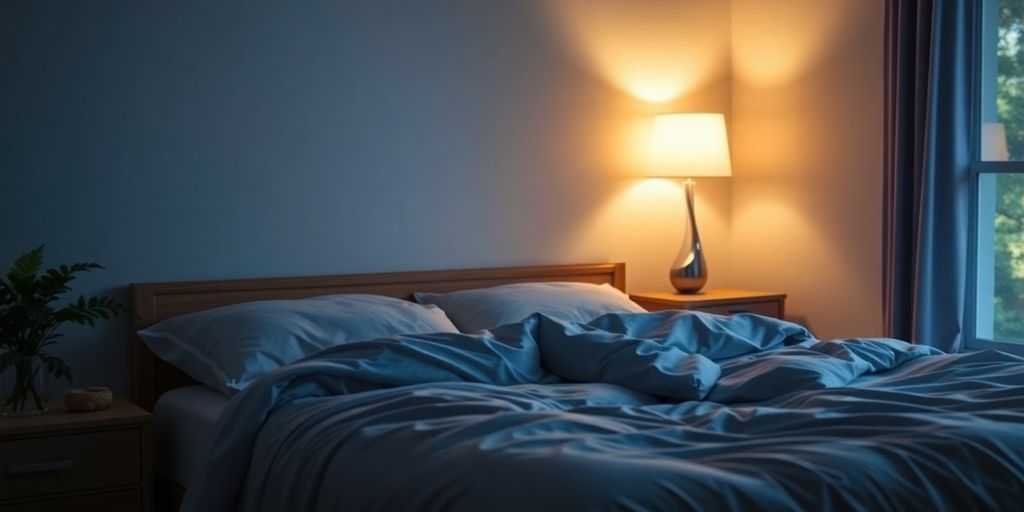
To truly rest, your bedroom should be a sanctuary of calm. Consider using blackout curtains to keep out unwanted light and invest in a comfortable mattress that supports your body. Keep the room cool, ideally between 60-67°F, as this temperature range is known to improve sleep quality. It’s also wise to eliminate noise where possible; a white noise machine or a fan can help drown out disruptive sounds.
Mindful Sleep Practices
Establishing a consistent sleep routine is key. Go to bed and wake up at the same time every day to help regulate your body’s internal clock. Before bed, engage in calming activities like reading or taking a warm bath. Try to limit screen time before sleep, as the blue light emitted by phones and computers can interfere with your natural sleep cycle. Align your bedtime and wake-up schedule with your natural circadian rhythm for the best results.
Natural Sleep Aids
When sleep doesn’t come easy, natural aids might help. Herbal teas like chamomile or valerian root are known for their calming properties. You might also consider melatonin supplements, which can help regulate your sleep-wake cycle, especially if you experience jet lag or shift work. However, it’s always a good idea to consult with a healthcare provider before starting any new supplement.
Creating a relaxing evening routine can greatly improve your sleep. Dim the lights, listen to soothing music, and give yourself time to unwind before slipping into bed. This not only prepares your body for sleep but also signals your mind that it’s time to rest.
Wrapping It Up
So, there you have it. Stress relief in 2025 is all about finding what works for you. Whether it’s a new gadget, a fresh take on meditation, or just a walk in the park, the key is to keep trying until something clicks. It’s not about doing it perfectly, but about making small changes that help you feel a bit better every day. Remember, it’s okay to have off days. Just keep at it, and you’ll find your groove. Here’s to a calmer, more relaxed you!
Frequently Asked Questions
What is mindful breathing and how does it help with stress?
Mindful breathing is a way to focus on your breath to help you feel calm. It can make stress go away by helping you concentrate on breathing in and out slowly.
How can reducing screen time improve mental health?
Spending less time on screens like phones and computers can give your brain a break. It helps your mind relax and makes you feel less stressed.
What are some easy art therapy activities I can try at home?
You can try drawing, coloring, or painting to express how you feel. These activities can help you relax and feel better.
Why is yoga good for reducing stress?
Yoga involves stretching and breathing exercises that help calm your mind and body. It makes you feel more relaxed and less anxious.
What foods can help reduce anxiety?
Foods like berries, nuts, and leafy greens can help make you feel less anxious. They have nutrients that are good for your brain.
How do relaxation apps work?
Relaxation apps have calming music, sounds, and exercises that help you relax. You can use them on your phone to feel more peaceful.

 Neurofeedback Strong
Leave a comment