
Stress and anxiety are things we all deal with at some point. It’s like that unwelcome guest that just doesn’t leave. But hey, there are natural ways to tackle it. You don’t always need to pop a pill or book a therapy session. Sometimes, the answer lies in simple, everyday practices. This article dives into some of those methods. Let’s explore how you can find a bit of peace in this crazy world.
Key Takeaways
- Mindfulness and meditation can help calm your mind and reduce stress.
- Regular exercise is a great way to blow off steam and feel better.
- Herbs and supplements might offer some relief, but do your homework first.
- Breathing exercises are simple yet effective for easing anxiety.
- Good sleep is crucial for managing stress, so make it a priority.
Understanding Stress and Anxiety
The Science Behind Stress Responses
Stress is a natural reaction of the body, triggered by external stimuli. When faced with a challenging situation, our brain sends signals that release hormones like adrenaline and cortisol. These hormones prepare the body to either fight or flee, a response known as "fight or flight." This response is essential for survival, but when triggered too often, it can lead to chronic stress. Chronic stress can affect everything from your immune system to your mental health.
Common Triggers of Anxiety
Anxiety often creeps up when you’re dealing with uncertainty or feeling overwhelmed. Common triggers include financial worries, relationship issues, and work-related stress. Sometimes, even minor things like a messy home or a long to-do list can tip the scale. It’s important to recognize these triggers so you can manage them better. Here are a few common anxiety triggers:
- Big life changes, like moving or starting a new job.
- Health concerns, whether personal or about loved ones.
- Social situations, especially if you’re prone to social anxiety.
The Impact of Stress on Health
Prolonged stress isn’t just a mental battle; it impacts your physical health too. It can lead to headaches, digestive issues, and even heart problems. Stress affects your sleep patterns, making it hard to get a good night’s rest, which in turn can worsen stress.
When stress becomes a constant companion, it can feel like you’re always on edge, waiting for the next shoe to drop. This can make it tough to relax and enjoy life.
Managing stress is crucial for maintaining both mental and physical health. Techniques like mindfulness, exercise, and stress management techniques can help reduce its impact.
Mindfulness and Meditation Practices
Benefits of Mindfulness for Stress Relief
Mindfulness is like hitting the pause button on your hectic life. When you practice it, you focus on the present moment, which can really help in reducing stress. Mindfulness allows you to observe your thoughts without judgment, and that simple act can create a sense of calm. It’s like giving your mind a mini-vacation. People often notice they feel less anxious when they’re mindful because they’re not worrying about the past or future.
Guided Meditation Techniques
Guided meditation is a great way to get started if you’re new to meditation. It involves listening to someone lead you through a meditation session, often focusing on relaxation or stress relief. You might hear soothing music or nature sounds in the background, which helps set the mood. Here’s a simple way to try it out:
- Find a quiet spot where you won’t be disturbed.
- Sit or lie down comfortably.
- Close your eyes and listen to a guided meditation track.
You’ll likely feel more relaxed after just a few sessions. If you’re curious, explore various meditation styles to find what suits you best.
Incorporating Meditation into Daily Life
Making meditation a daily habit doesn’t have to be a chore. Start small, maybe with five minutes a day, and gradually increase the time. Consistency is key. You can meditate in the morning to set a calm tone for the day or at night to unwind before bed. Some people even find it helpful to meditate during lunch breaks. The important thing is to find what works for you and stick with it. Over time, you’ll likely notice a decrease in stress and an increase in overall well-being.
Practicing mindfulness and meditation regularly can transform your life. It’s not about escaping reality but embracing it with a clear and calm mind.
The Role of Physical Activity in Stress Reduction
Exercise as a Stress Reliever
Exercise is a powerful tool for managing stress. When you get moving, your body releases endorphins, which are natural mood lifters. This not only makes you feel better but also helps clear your mind. Regular physical activity can help reduce stress hormones like cortisol, leaving you feeling more relaxed. Exercise enhances overall wellbeing by promoting better sleep, regulating hormones, relaxing muscles, and improving mental clarity. It’s amazing how much a simple workout can change your day.
Types of Physical Activities to Consider
There’s no one-size-fits-all when it comes to exercise. Here are a few options you might consider:
- Walking or Jogging: A brisk walk or a light jog can do wonders for your mood and stress levels.
- Yoga: This combines physical movement with mindfulness and breathing techniques, making it a great choice for stress relief.
- Strength Training: Lifting weights isn’t just for building muscles; it can also help you feel more grounded and focused.
Creating a Consistent Exercise Routine
Sticking to a regular exercise routine can be challenging, but it’s worth it. Start by setting realistic goals. Maybe aim for 30 minutes of activity most days of the week. Find activities you enjoy so it feels less like a chore. Track your progress to stay motivated. Remember, consistency is key, and making exercise a habit can significantly reduce your stress over time.
Making time for physical activity isn’t just about staying fit. It’s about taking care of your mental health too. When you prioritize exercise, you’re investing in a calmer, more balanced life.
Herbal Remedies and Supplements
Popular Herbs for Anxiety Relief
When it comes to easing anxiety naturally, several herbs have gained popularity. Chamomile is a common choice, known for its calming effects and ability to help with sleep. Lavender is another favorite, often used in aromatherapy to promote relaxation. Valerian root is also worth mentioning; it’s often taken as a supplement to help with sleep and reduce anxiety.
- Chamomile: Often consumed as a tea, it’s known for its soothing properties.
- Lavender: Used in essential oils and aromatherapy for relaxation.
- Valerian Root: Typically available in capsule form to aid sleep and reduce tension.
Understanding the Benefits of Supplements
Supplements can be a helpful addition to your routine when dealing with stress and anxiety. They often contain concentrated forms of herbs and other natural ingredients. For example, this herbal supplement features high-quality ingredients like holy basil, ashwagandha root, and black cohosh root, designed to naturally support stress relief. It’s important to choose supplements from reputable sources to ensure quality and safety.
Safety and Efficacy of Herbal Treatments
While herbal remedies can be effective, it’s crucial to use them wisely. Always consult with a healthcare provider before starting any new supplement, especially if you’re already on medication. Some herbs can interact with prescription drugs, and not all supplements are suitable for everyone. It’s also important to follow dosage instructions carefully to avoid any adverse effects.
Finding the right herbal remedy or supplement can be a journey. It may take some trial and error to discover what works best for you, but the potential benefits can be well worth the effort.
The Power of Breathing Techniques
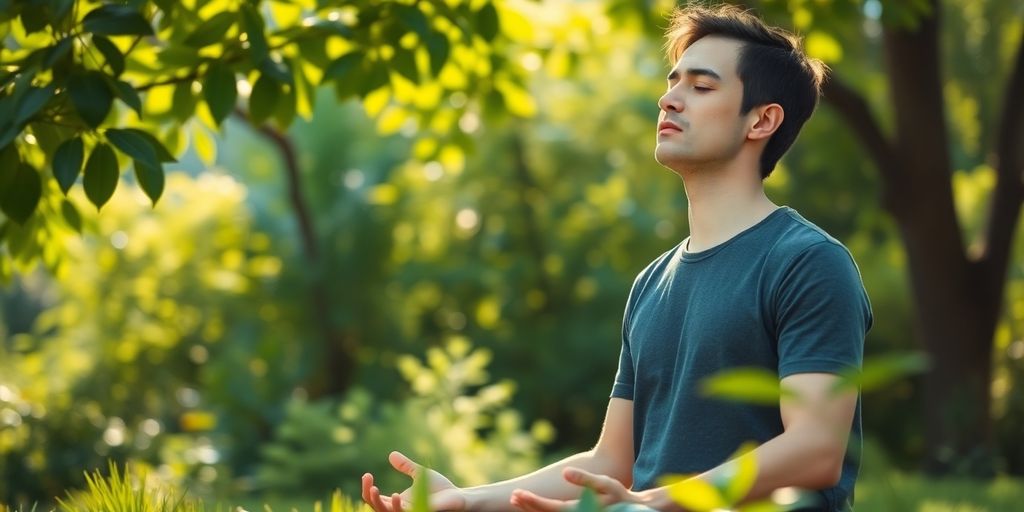
Deep Breathing Exercises for Calmness
Feeling overwhelmed? Take a moment to focus on your breath. Deep breathing exercises can be a simple yet powerful way to help calm your mind and body. By consciously slowing down your breathing, you signal your nervous system to relax. Try this: breathe in deeply through your nose, hold it for a few seconds, and then slowly exhale through your mouth. Repeat a few times. It’s like hitting the reset button for your day.
The Connection Between Breath and Stress
Breathing isn’t just about getting oxygen; it’s also a tool for managing stress. When you’re stressed, your breathing becomes shallow. This can make you feel even more anxious. By practicing controlled breathing, you can break this cycle. Proper breathing helps regulate your body’s response to stress, making you feel more in control. Techniques like the 4-7-8 breathing method are great for this. They help you focus on your breath and bring a sense of calm.
Practicing Breath Control Daily
Incorporating breath control into your daily routine doesn’t have to be complicated. Here are a few tips:
- Morning Routine: Start your day with a few minutes of deep breathing. It sets a calm tone for the day ahead.
- During Work: Take short breaks to practice breathing exercises. This can help clear your mind and improve focus.
- Before Bed: Use breathing techniques to unwind and prepare for sleep. This can improve your sleep quality and help you relax.
Taking time to focus on your breath can transform how you handle stress. It’s a simple practice that you can do anywhere, anytime. Breathing techniques are like a personal toolkit for staying calm and centered.
The Importance of Sleep and Relaxation
How Sleep Affects Stress Levels
Getting a good night’s sleep isn’t just about feeling rested; it’s a key part of managing stress. When you’re sleep-deprived, your body produces more stress hormones, which can make you feel more anxious and overwhelmed. Quality sleep helps regulate these hormones, reducing stress and improving your mood. It’s like giving your brain a chance to reset and recharge.
Creating a Relaxing Sleep Environment
To set the stage for better sleep, think about your bedroom setup. Here are some tips to make your space more sleep-friendly:
- Keep your room cool and dark.
- Use comfortable bedding and pillows.
- Limit noise with earplugs or a white noise machine.
A calming environment can help signal your body that it’s time to wind down.
Techniques for Better Sleep Quality
Improving sleep quality doesn’t have to be complicated. Try these simple techniques:
- Stick to a regular sleep schedule, even on weekends.
- Avoid screens at least an hour before bed.
- Practice relaxation exercises, like deep breathing or gentle yoga, before hitting the sack.
A good night’s sleep is like a mini-vacation for your mind, helping you wake up refreshed and ready to tackle the day.
By focusing on improving sleep quality, you can enhance your mental wellbeing, reducing anxiety and depression, and leading to greater emotional stability.
Building a Supportive Social Network

The Role of Social Connections in Stress Relief
Feeling stressed? You’re not alone. Many find that connecting with others helps ease their mind. Close relationships and social connections are essential for managing daily or chronic stress. These bonds can give you the comfort of knowing someone’s got your back. When you share your worries with friends, it often lightens the load.
Having a network of people who care about you can make all the difference when life gets tough. It’s like having a safety net that catches you when you fall.
Ways to Strengthen Social Bonds
Building strong connections isn’t just about having people around. It’s about making those relationships meaningful. Here are some ways to do that:
- Communicate openly: Share your thoughts and listen actively.
- Spend quality time: Make plans to meet up or do activities you both enjoy.
- Show appreciation: Let them know you value their presence in your life.
Seeking Support from Friends and Family
Sometimes, reaching out is the hardest part. But asking for help from friends and family doesn’t make you weak. In fact, it shows strength. They can offer different perspectives, advice, or just a listening ear. Remember, you don’t have to face everything alone. Leaning on your support network can be a game changer when stress feels overwhelming.
Wrapping It Up
So, there you have it. Finding natural ways to deal with stress and anxiety isn’t just possible, it’s pretty doable. Whether it’s taking a walk in the park, trying out some yoga, or just sitting quietly with your thoughts, these little things can make a big difference. Remember, it’s all about finding what works for you. Everyone’s different, and that’s okay. Maybe today you try deep breathing, and tomorrow it’s a warm bath. The key is to keep trying and not get discouraged. Life’s hectic, but with a few simple changes, you can find a bit more peace and calm. Give it a shot, and see how you feel. You might be surprised at how much better things can get.
Frequently Asked Questions
What are some easy ways to reduce stress?
You can try deep breathing, take short walks, or listen to calming music to help reduce stress.
How does exercise help with anxiety?
Exercise releases chemicals in your brain that make you feel happier and less anxious.
Can herbal teas really help with stress?
Yes, some herbal teas like chamomile or peppermint can help calm your mind and reduce stress.
Why is sleep important for managing stress?
Good sleep helps your body recover and keeps your mind sharp, making it easier to handle stress.
How can I practice mindfulness every day?
You can practice mindfulness by paying attention to your breathing, focusing on the present moment, and being aware of your surroundings.
Is it okay to ask friends for support when stressed?
Yes, talking to friends can help you feel better and less alone when you’re stressed.

 Neurofeedback Strong
Leave a comment