
Anxiety can be a real struggle, can’t it? It sneaks up on you and suddenly, everything feels overwhelming. But hey, you’re not alone, and there are ways to tackle it. Everyone deals with anxiety differently, so it’s all about finding what works for you. Let’s dive into 10 simple tricks that might just help you find some peace of mind.
Key Takeaways
- Slow breathing can help calm your mind and reduce anxiety.
- Progressive muscle relaxation eases tension and promotes relaxation.
- Mindfulness meditation keeps you grounded in the present moment.
- Living a healthy lifestyle supports overall mental well-being.
- Small acts of bravery build confidence and reduce anxious feelings.
1. Slow Breathing
When anxiety hits, your breathing often speeds up and becomes shallow. Slow breathing can help you regain control. Taking slow, deep breaths can calm your nervous system. Here’s a simple way to practice:
- Inhale Slowly: Breathe in deeply through your nose for a count of three.
- Hold: Pause and hold your breath for a moment.
- Exhale Slowly: Let the air out gently through your mouth for a count of three.
- Repeat: Go through this cycle a few times until you start feeling more relaxed.
Slow breathing is like giving your body a signal that everything is okay. It helps engage the parasympathetic nervous system, which calms you down.
This technique is one of the effective breathing exercises you can try to alleviate anxiety. It’s simple, doesn’t require any special equipment, and you can do it anywhere. Whether you’re stuck in traffic or sitting in a waiting room, taking a few minutes to focus on your breath can make a big difference. Give it a try next time you’re feeling anxious.
2. Progressive Muscle Relaxation
Progressive Muscle Relaxation is all about easing that tightness in your body, which can help calm your mind too. It’s like giving your muscles a gentle workout, but the goal is to relax, not to build strength. Here’s how you can do it:
- Find a Quiet Spot: First, you need a peaceful place where you won’t be disturbed. It’s easier to focus when it’s quiet.
- Get Comfortable: Sit or lie down in a comfy position. Close your eyes if it helps you concentrate better.
- Start from the Bottom: Begin with your toes. Tense them up for a few seconds, then let them go loose. Feel the difference?
- Move Upwards: Slowly work your way up your body—feet, legs, belly, arms, shoulders, and finally, your face. Tense each area for a bit, then relax.
- Breathe Deeply: As you go through each muscle group, take deep breaths. Inhale while you tense, and exhale as you release.
Taking time to notice how your muscles feel when they’re tight versus when they’re relaxed can change how you handle stress. It’s a simple yet effective way to bring more calm into your day.
For more on how progressive muscle relaxation training can help manage stress and anxiety, consider adding it to your daily routine. It’s like a mini-vacation for your mind and body.
3. Mindfulness Meditation
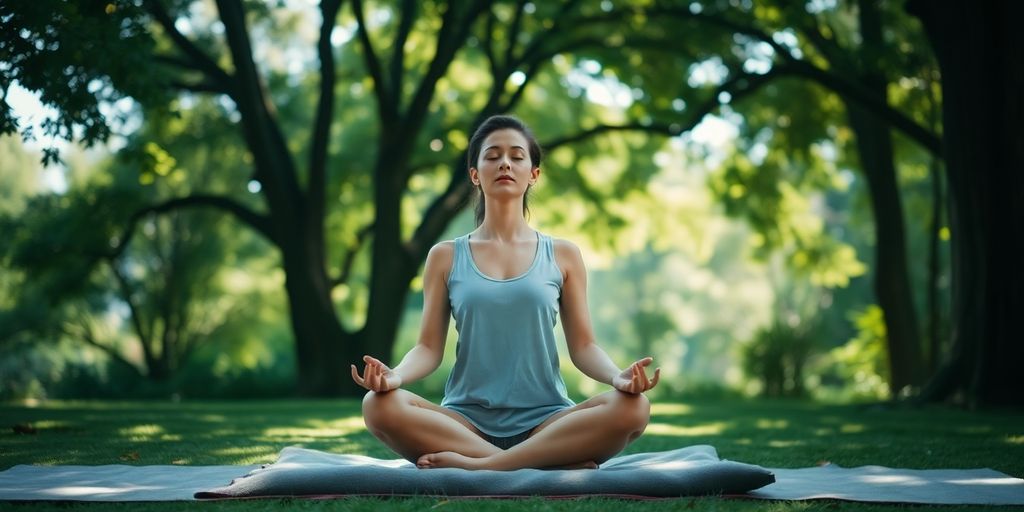
Mindfulness meditation is all about staying in the moment, focusing on what you feel and see without judgment. It’s a powerful way to calm the mind and reduce anxiety. Practicing mindfulness involves a few key techniques that can help you find peace in the chaos.
How to Practice Mindfulness Meditation
- Find a Quiet Spot: Sit comfortably in a place where you won’t be disturbed.
- Focus on Your Breathing: Pay attention to your breath as it flows in and out. Notice the rise and fall of your chest.
- Notice Your Surroundings: Engage your senses. Look around and note five things you can see, four things you can feel, three things you can hear, two things you can smell, and one thing you can taste.
- Acknowledge Your Thoughts: Let your thoughts come and go without judgment. Just observe them and gently bring your focus back to your breath.
Benefits of Mindfulness Meditation
- Reduces Stress: Regular practice can lower stress levels and improve your overall well-being.
- Improves Focus: Helps in enhancing concentration and attention span.
- Promotes Emotional Health: Encourages a better understanding of your emotions and can lead to a more balanced emotional state.
Practicing mindfulness meditation regularly can be as effective as medication for some people dealing with anxiety. It’s a natural way to foster a sense of calm and balance.
Mindfulness meditation is a key component of anxiety reduction, offering techniques that help alleviate stress and promote a sense of well-being. By incorporating these practices into your daily routine, you can create a peaceful mental space that helps manage anxiety effectively.
4. Healthy Lifestyle
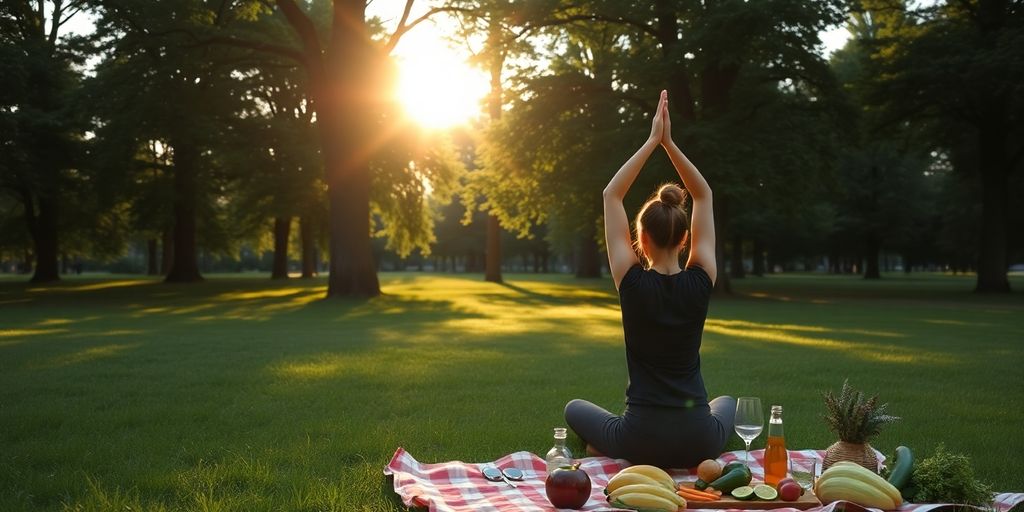
Living a healthy lifestyle can be a game-changer when it comes to managing anxiety. It’s not just about eating right or staying active, it’s about creating a balanced life. Here’s how you can start:
- Eat a Balanced Diet: Incorporate a variety of foods, focusing on whole grains, lean proteins, and plenty of fruits and vegetables. A good place to start is with a protein-rich breakfast, which can set a positive tone for the day.
- Regular Exercise: Aim for at least 30 minutes of physical activity most days. It doesn’t have to be intense; even a brisk walk can do wonders for your mood and stress levels.
- Stay Hydrated: Drink plenty of water throughout the day. Dehydration can affect your mood and energy levels, so keep a bottle handy.
- Limit Alcohol and Caffeine: These can exacerbate anxiety symptoms. Try to cut back or find alternatives like herbal teas.
Taking small steps towards a healthier lifestyle can significantly reduce anxiety. Remember, it’s about progress, not perfection.
Tips for Maintaining a Healthy Lifestyle
- Set Realistic Goals: Start small and gradually increase your efforts.
- Find Activities You Enjoy: This will make it easier to stick to your routine.
- Create a Support System: Surround yourself with people who encourage your healthy habits.
Adopting these habits can create a more resilient mind and body, helping you tackle anxiety more effectively.
5. Small Acts Of Bravery
Facing anxiety can be daunting, but tackling it with small, deliberate steps can make a big difference. Small acts of bravery are like tiny victories against anxiety. They help you gradually build confidence and reduce fear.
Try Something New
Start small. If talking to strangers makes you uneasy, try striking up a brief conversation with someone at a coffee shop or a store. These tiny interactions can help ease the anxiety of more significant social situations.
Take Incremental Steps
Breaking down bigger tasks into smaller, manageable steps can make them less intimidating. For instance, if public speaking is a fear, begin by speaking in front of a mirror, then progress to talking to a friend, and eventually, a small group.
Challenge Yourself Regularly
Consistency is key. Regularly engaging in activities that push your comfort zone can gradually reduce anxiety. Whether it’s trying a new hobby, traveling to a new place, or participating in a local event, each act can boost your confidence.
Embracing these small acts of bravery is about acknowledging your fears but choosing to act despite them. This continual practice can slowly diminish the power anxiety holds over you.
Reflecting on the balance between bravery and foolishness can offer insights into personal growth in courage and managing anxiety.
6. Challenge Your Self Talk
Ever caught yourself thinking the worst in every situation? It’s pretty common, especially when anxiety is involved. But here’s the thing—what you think can really mess with how you feel. If you always see the glass as half-empty, it’s time to flip the script.
Start by questioning those negative thoughts. Ask yourself:
- Is this thought based on facts or just my imagination running wild?
- Could there be another way to look at this situation?
- What’s the evidence for and against this thought?
By challenging your self-talk, you’re not just ignoring the negative; you’re actively replacing it with something more balanced and realistic. It’s like having a little debate in your head, but you’re the judge, jury, and the star witness.
It’s amazing how much lighter life feels when you stop believing every anxious thought that pops into your head.
Remember, anxiety loves to exaggerate. It often makes you overestimate danger and underestimate your ability to handle it. By engaging in self-talk that’s calm and factual, you can reduce the hold anxiety has on you. Try it next time your mind starts spinning—it might just surprise you how effective it can be.
7. Be Kind To Yourself
Being kind to yourself is more than just a nice idea; it’s a necessity for reducing anxiety and improving overall well-being. It’s about treating yourself with the same care and compassion that you would offer to a friend. Here are some practical ways to practice self-kindness:
- Practice Self-Compassion: When you make a mistake or face a setback, remind yourself that it’s okay to be imperfect. Use gentle language and affirmations like "I am doing my best" or "I deserve kindness and respect." These encouraging words can help foster a positive self-image.
- Take Time for Yourself: Set aside moments in your day just for you. Whether it’s reading a book, taking a walk, or simply sitting in silence, make sure you have "me time" to recharge and reflect.
- Avoid Negative Self-Talk: Challenge any negative thoughts that pop into your mind. Ask yourself if these thoughts are really true and try to replace them with more positive, realistic ones.
Sometimes, being kind to yourself means letting go of the pressure to be perfect. It’s about embracing your humanity and allowing yourself to grow at your own pace.
- Celebrate Small Wins: Don’t wait for major achievements to celebrate. Recognize and appreciate your small victories, as they are steps toward your larger goals.
- Set Realistic Goals: Instead of overwhelming yourself with huge expectations, break your goals into smaller, manageable tasks. This approach reduces stress and helps you feel accomplished without the pressure.
8. Plan Worry Time
When anxiety takes over, it can feel like your mind is a runaway train. One way to put the brakes on is to schedule a specific time each day to focus on your worries. This technique, known as "worry time," can help you manage anxiety by containing it to a set period.
How to Implement Worry Time
- Choose a Time and Place: Pick a consistent time each day, preferably not too close to bedtime, to sit down and think about your worries. It could be during a lunch break or right after work.
- Set a Timer: Limit your worry session to 15-30 minutes. Use a timer to keep yourself on track.
- Write It Down: During worry time, jot down all your anxious thoughts. This journaling technique can help you confront your fears on paper, making them seem less daunting.
- Focus on Solutions: Instead of just listing worries, try to brainstorm possible solutions or steps you might take to address them.
- End with Relaxation: After your worry time is up, engage in a relaxing activity, like listening to music or taking a walk, to help shift your focus away from anxiety.
Setting aside time to worry might seem counterintuitive, but it can actually help you gain control over your anxiety. By confining your worries to a specific time, you free up the rest of your day to focus on more positive and productive activities.
By using this method, you might find that some worries lose their power over time, while others become more manageable as you develop strategies to address them.
9. Journaling
Journaling is like having a conversation with yourself. It’s a way to put your thoughts and feelings on paper, helping you understand them better. When you’re feeling anxious, writing things down can really help clear your mind.
How Journaling Helps
- Organizes Thoughts: When everything’s swirling around in your head, it feels chaotic. Writing helps you sort it all out.
- Identifies Triggers: You might notice patterns in what makes you anxious, which is the first step in managing it.
- Emotional Release: Sometimes, just getting it all out on paper can make you feel lighter.
Tips for Effective Journaling
- Be Honest: Write like no one else will read it. This is your space.
- Set a Routine: Try to write at the same time every day. Make it a habit.
- Don’t Overthink: Just write what’s on your mind, even if it seems silly.
Taking a few minutes each day to jot down your thoughts can bring clarity and peace of mind. It’s not about writing the next great novel; it’s about accepting your mental experiences and finding a bit of calm in the chaos.
Types of Journaling
- Gratitude Journals: Focus on the good stuff. Write three things you’re grateful for each day.
- Bullet Journals: Quick notes and lists to keep track of your day.
- Reflective Journals: Dive deeper into your thoughts and feelings.
Journaling is a simple yet powerful tool to help manage anxiety. It doesn’t require any special skills, just a bit of time and honesty. Give it a try and see how it can help you find some peace.
10. Aromatherapy
Aromatherapy is an ancient practice that taps into the power of natural plant extracts and essential oils to improve overall well-being. It’s been around for thousands of years and is believed to help with both mental and physical health.
Benefits of Aromatherapy
- Boosts relaxation: Scents like lavender and bergamot are known for their calming effects, making them popular choices for reducing stress.
- Improves sleep: Using essential oils in a diffuser at bedtime can promote deeper, more restful sleep.
- Elevates mood: The right aroma can uplift your spirits and help you feel more positive throughout the day.
- Reduces heart rate: Inhaling certain oils can slow down your heart rate, which is beneficial if you’re feeling anxious.
- Balances blood pressure: Some oils may help maintain healthy blood pressure levels.
How to Use Aromatherapy
- Diffusers: Add a few drops of your chosen essential oil to a diffuser to fill your room with soothing scents.
- Baths: Mix essential oils with a carrier oil and add to your bath for a relaxing soak.
- Inhalation: Simply inhale the aroma directly from the bottle or from a few drops on a tissue.
Aromatherapy isn’t just about the smell; it’s about creating a calming environment that supports your mental health. Experiment with different oils to find the ones that work best for you. Just remember, everyone’s different, so what works for one person might not work for another. Always test a small amount on your skin first to avoid any allergic reactions.
While essential oils like lavender, bergamot, and lemongrass are often highlighted for their stress-relieving properties, it’s important to choose high-quality oils and consult with a healthcare provider if you have any concerns. The FDA doesn’t regulate the purity of essential oils, so do your research before buying.
Wrapping It Up
So, there you have it—ten ways to tackle anxiety. Remember, what works for one person might not work for another, and that’s okay. It’s all about finding what clicks for you. Maybe it’s taking a few deep breaths, or maybe it’s a walk in the park. The key is to keep trying different things until you find your groove. And if you ever feel like you need a bit more help, don’t hesitate to reach out to a professional. You’re not alone in this, and there are folks out there who can help. Keep experimenting, stay patient with yourself, and take it one day at a time. You’ve got this!
Frequently Asked Questions
What is anxiety and how does it affect people?
Anxiety is your body’s natural reaction to stress, causing feelings of fear or worry. It can affect people differently, often leading to symptoms like a fast heartbeat, quick breathing, restlessness, and trouble focusing.
How can slow breathing help reduce anxiety?
Slow breathing helps calm your body by slowing down your heart rate and making you feel more relaxed. It involves taking deep breaths in and out, counting to three each time.
What is progressive muscle relaxation and how does it work?
Progressive muscle relaxation is a technique where you tense and then relax each muscle group in your body. This helps to reduce tension and make you feel more at ease.
How does journaling help with anxiety?
Journaling allows you to express your thoughts and feelings, helping you understand and manage your anxiety better. Writing down worries can also make them seem less overwhelming.
What role does a healthy lifestyle play in managing anxiety?
A healthy lifestyle, including regular exercise, a balanced diet, and time spent with loved ones, can improve your overall well-being and help reduce anxiety.
Can aromatherapy really help with anxiety?
Yes, aromatherapy uses natural scents from essential oils to promote relaxation and improve mood, which can help ease anxiety. Oils like lavender and bergamot are often used for this purpose.

 Neurofeedback Strong
Leave a comment