
Microcurrent neurofeedback is getting a lot of attention lately, especially for its potential to help with brain function and mental health issues. But, like anything new, people are curious about whether it has any side effects. It’s important to know what you’re getting into, right? So, let’s dive into what you might expect if you’re considering this therapy.
Key Takeaways
- Microcurrent neurofeedback is generally safe with few side effects, but individual experiences may vary.
- Common side effects can include mild headaches, fatigue, or temporary emotional changes.
- The experience of the practitioner and the quality of the equipment used can significantly influence the likelihood of side effects.
- Patients with pre-existing conditions should discuss their medical history with their practitioner to minimize risks.
- Proper communication with your practitioner can help manage and reduce potential side effects.
Understanding Microcurrent Neurofeedback
What is Microcurrent Neurofeedback?
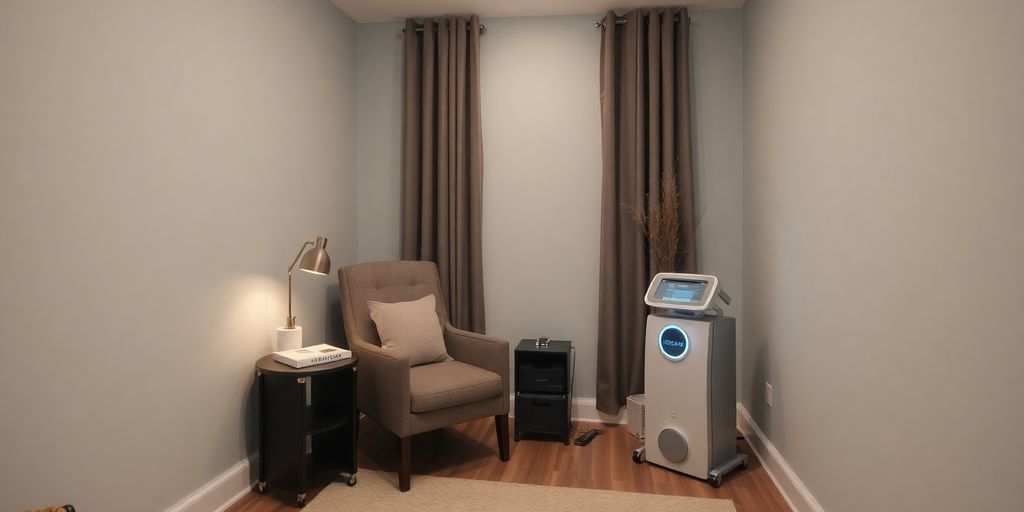
Microcurrent Neurofeedback (MCN) is a cutting-edge therapy aimed at enhancing brain function by using tiny electrical currents. Unlike traditional feedback methods, MCN doesn’t rely on conscious effort from the patient. Instead, it uses a small device to deliver these currents, stimulating the nervous system to promote neuroplasticity. This process helps the brain reorganize itself, leading to improved mental health outcomes. The therapy is non-invasive and drug-free, making it an appealing option for many.
How Does It Work?
The MCN device applies microcurrents to the scalp, which are thought to help the brain self-regulate its signals. This regulation can lead to a more balanced mood and improved cognitive function. Typically, sessions are short, around 30 minutes, and are recommended several times a week. Over time, patients may notice a gradual improvement in symptoms such as anxiety, depression, and even conditions like ADHD or PTSD.
Who Can Benefit from It?
MCN is suitable for a wide range of individuals. Those suffering from stress-related conditions, mood disorders, or cognitive challenges might find relief through this therapy. It’s also beneficial for people looking to improve their overall mental well-being without the use of medications. Patients often report a more balanced mood, better focus, and an overall sense of well-being after undergoing MCN therapy.
Many individuals have found MCN to be a gentle and effective way to address various mental health issues, without the side effects often associated with medication. By promoting healthier brainwave states, MCN aims to treat the root causes of these issues, rather than just masking the symptoms.
Common Side Effects of Microcurrent Neurofeedback
Microcurrent Neurofeedback is generally well-tolerated, but like any therapy, it can come with some side effects. These effects can vary from person to person, depending on individual sensitivity and the specific areas of the brain being targeted.
Physical Side Effects
Physical side effects are usually mild and temporary. Some patients report headaches, which might be due to changes in brain wave patterns. Fatigue is another common side effect, often described as a feeling similar to the tiredness experienced after a workout. This happens because the brain is working hard to adjust to new patterns. In rare cases, patients might experience dizziness or a sensation of head pressure.
Emotional Side Effects
Emotionally, some individuals might feel heightened anxiety or even mild depression during the initial stages of treatment. This can be attributed to the brain adjusting to new electrical activity. For some, this might temporarily exacerbate feelings of panic or racing thoughts, especially if the therapy targets areas associated with emotional regulation.
Cognitive Side Effects
Cognitive effects can include difficulty concentrating or a sense of brain fog. These symptoms occur because the brain is being trained to function differently, which can temporarily disrupt normal cognitive processes. While neurofeedback aims to improve cognitive function, improper training can lead to cognitive impairment if not carefully monitored.
It’s important to communicate any side effects to your practitioner, as they can adjust the therapy to better suit your needs. Adjustments might involve changing the frequency or duration of sessions to help your brain adapt more comfortably.
Factors Influencing Side Effects

Practitioner Experience
The expertise of the practitioner plays a crucial role in minimizing the side effects of microcurrent neurofeedback. When you work with someone who’s well-trained, they know how to adjust the therapy to fit your unique needs. On the flip side, if the practitioner lacks experience or uses outdated methods, there’s a higher chance of experiencing unwanted effects. It’s like going to a mechanic who knows your car inside out versus one who just started tinkering yesterday.
Equipment Quality
Equipment quality is another big factor. High-quality, modern equipment tends to provide more accurate readings and better results. If the gear is old or not well-maintained, it might not work as effectively, and you could feel it. Think of it like using an old phone with a cracked screen versus the latest model; the experience is just not the same.
Patient’s Medical History
Your medical history can also influence how you react to microcurrent neurofeedback. If you have pre-existing conditions like epilepsy or migraines, you might be more prone to certain side effects. It’s super important to let your practitioner know about your health background. This way, they can tailor the treatment to avoid triggering any adverse reactions.
Understanding these factors can help you make informed decisions about your treatment and work closely with your practitioner to ensure the best possible outcomes. Remember, communication is key, and sharing your concerns and experiences can significantly reduce the risk of side effects.
Managing and Mitigating Side Effects
Role of the Practitioner
Having a skilled practitioner is like having a good guide on a tricky hike. They lead you through the process, helping to avoid potential pitfalls. A well-trained practitioner can significantly reduce the risk of side effects. They know how to adjust the therapy based on your specific needs, and they can spot any issues early on. Here are some key things a practitioner does:
- Initial Assessment: Before starting, they evaluate your medical history and current health status. This helps in tailoring the sessions to suit you best.
- Monitoring Progress: Throughout the therapy, they keep an eye on how you’re responding, adjusting the treatment as needed.
- Providing Support: If any side effects occur, they offer guidance and adjustments to help minimize discomfort.
Patient’s Role in Mitigation
You’re not just a passive participant in this process. There’s stuff you can do to help manage potential side effects. Here’s how you can play your part:
- Open Communication: Always talk to your practitioner about how you’re feeling. If something feels off, let them know.
- Follow Guidelines: Stick to any advice or instructions given by your practitioner. This could be about lifestyle changes or specific exercises.
- Stay Informed: Educate yourself about the therapy and what to expect. The more you know, the better you can manage your own experience.
Long-term Management Strategies
Managing side effects isn’t just about the here and now. It’s a long-term thing. Here’s what you can do to keep things smooth:
- Regular Check-ins: Keep up with regular sessions or follow-up appointments to ensure everything’s on track.
- Lifestyle Adjustments: Sometimes, small changes in diet, exercise, or sleep can make a big difference.
- Mindfulness Practices: Techniques like meditation or yoga can help in managing stress and improving overall well-being.
While microcurrent neurofeedback is generally safe, being proactive in managing and mitigating side effects can enhance the therapy’s effectiveness and your comfort. Remember, it’s a team effort between you and your practitioner. Stay engaged and informed, and you’ll likely find the process more rewarding.
Comparing Microcurrent Neurofeedback to Other Therapies
Safety Profile Comparison
When it comes to safety, Microcurrent Neurofeedback stands out as a gentle and non-invasive option. Unlike some traditional therapies that might involve medication with potential side effects, this method primarily focuses on the brain’s natural ability to heal and regulate itself. Most users report minimal side effects, with fatigue and mild headaches being the most common, and these are often temporary. In comparison, conventional therapies, particularly pharmacological treatments, can carry a risk of more significant side effects.
Effectiveness in Symptom Management
Microcurrent Neurofeedback has shown promising results in managing symptoms of various conditions. Its effectiveness is particularly noted in reducing symptoms of anxiety, depression, PTSD, and enhancing overall quality of life. This is largely due to its ability to help the brain self-regulate its signals. Traditional therapies might require a combination of treatments to achieve similar outcomes.
Patient Satisfaction Rates
Patients who have undergone Microcurrent Neurofeedback often express high satisfaction rates. They appreciate the non-invasive nature of the treatment and the noticeable improvements in their mental health. Patients often report feeling more balanced, focused, and relaxed after sessions. In contrast, some traditional therapies may not provide the same level of patient satisfaction due to their invasive nature or the side effects associated with them.
Microcurrent Neurofeedback offers a unique approach by tapping into the brain’s own healing abilities, providing a safe and effective alternative to more traditional treatments. Its growing popularity is a testament to its effectiveness and patient satisfaction.
The Science Behind Microcurrent Neurofeedback
Brain Wave Modulation
Microcurrent Neurofeedback focuses on altering brain wave patterns to improve mental health and cognitive function. Brain waves reflect our state of mind and how we feel. When these waves are off-balance, they can mess with how we think and feel. Microcurrent Neurofeedback works by gently adjusting these waves, helping the brain to "reset" and function more effectively. This isn’t about training the brain like traditional methods; it’s more about disrupting abnormal patterns, allowing the brain to regain its natural rhythm.
Impact on Brain Function
The impact of Microcurrent Neurofeedback on brain function is quite promising. By modulating brain waves, this therapy can help enhance focus, reduce symptoms of anxiety, and improve overall brain communication. Patients often report feeling more balanced and in control of their emotions after sessions. The therapy is thought to affect the brain’s ability to self-regulate, which can lead to long-term improvements in mental health.
Research and Studies
Research into Microcurrent Neurofeedback is ongoing, but early studies suggest it can be a beneficial tool for various mental health conditions. These studies often involve observing changes in brain wave patterns and correlating them with improvements in symptoms like anxiety, depression, and PTSD. While more research is needed to fully understand its potential, the existing evidence is encouraging. Researchers are keen to explore further how this therapy can be integrated into broader treatment plans for mental health.
Patient Experiences and Testimonials
Positive Outcomes
Many patients have shared stories of how neurofeedback therapy has been a game-changer in their lives. One patient mentioned how it significantly improved their emotional regulation, helping them regain a sense of calm they hadn’t felt in years. Others talk about how it made them more aware of their mental processes, allowing them to tackle daily challenges with more confidence. For some, it’s not just a treatment—it’s a life saver.
Challenges Faced
Of course, not everyone has a smooth ride. Some patients report initial discomfort or mild headaches during the first few sessions. Others find it hard to stay motivated through the entire course of treatment, especially if they don’t see immediate results. It’s also common for individuals to experience fluctuations in mood as their brain adjusts to the therapy.
Advice for New Patients
- Patience is Key: Results can take time, so don’t get discouraged if you don’t see changes right away.
- Communicate with Your Therapist: Keep an open line with your practitioner to adjust the treatment as needed.
- Stay Consistent: Regular sessions are crucial for the therapy’s effectiveness.
"Starting neurofeedback was daunting, but sticking with it made all the difference. It’s like training any other part of your body—consistency is everything."
Future of Microcurrent Neurofeedback
Technological Advancements
Microcurrent neurofeedback is on the brink of some pretty exciting tech upgrades. The future seems to hold a lot of promise with more sophisticated equipment and software that can provide even more accurate brain wave monitoring and feedback. This means treatments could become more personalized, tailoring to the unique brain patterns of each individual. Imagine a world where your therapy session is as unique as your fingerprint!
Potential New Applications
As technology progresses, the applications for microcurrent neurofeedback are expanding beyond just stress and anxiety management. It’s not just about calming the brain anymore. Researchers are exploring its use in areas like enhancing cognitive performance, aiding recovery from brain injuries, and even improving sleep quality. The potential is vast and could touch on numerous aspects of health and wellness.
Ongoing Research
Research in this field is ongoing and vibrant. Scientists are continually studying how microcurrent neurofeedback can be integrated with other therapies to enhance their effectiveness. There’s a lot of curiosity about how it can work alongside traditional methods to offer a more comprehensive approach to mental health treatment. The future looks bright with ongoing studies aiming to solidify its place in mainstream therapy practices.
The journey of microcurrent neurofeedback is just beginning. With technology advancing and research expanding, it’s poised to become a key player in the world of brain therapies. The possibilities are endless, and it’s an exciting time for both practitioners and patients.
Wrapping It Up: Microcurrent Neurofeedback and Its Side Effects
So, after digging into microcurrent neurofeedback, what’s the takeaway? Well, like any treatment, it has its ups and downs. Most folks find it pretty chill and even feel a boost in energy after sessions. But, yeah, some might hit a few bumps like headaches or feeling a bit off. It’s super important to have a skilled practitioner guiding the way. They can tweak things if you start feeling funky. Overall, while side effects are possible, they’re usually mild and temporary. Just keep an open line with your therapist, and you’ll likely find the benefits outweigh the hiccups. Remember, everyone’s brain is a bit different, so your experience might not be the same as someone else’s. Stay informed and trust the process.
Frequently Asked Questions
What is Microcurrent Neurofeedback?
Microcurrent Neurofeedback is a type of therapy that helps the brain fix its signals. It uses tiny electrical signals to help improve brain function and reduce symptoms like anxiety and depression.
Are there any side effects to Microcurrent Neurofeedback?
Most people don’t have any side effects, but some might feel tired, have headaches, or feel anxious. These effects are usually mild and go away quickly.
How does Microcurrent Neurofeedback help?
This therapy can help improve focus, make people feel calmer, and reduce symptoms of problems like ADHD and PTSD by helping the brain work better.
Who can benefit from Microcurrent Neurofeedback?
People with conditions like ADHD, stress, depression, anxiety, and PTSD can benefit from this therapy. It helps improve brain function and mood.
How do I manage side effects if they occur?
If you feel any side effects, tell your therapist. They can help adjust the therapy to make you feel better. Drinking water and resting can also help.
Is Microcurrent Neurofeedback safe?
Yes, it is safe when done by a trained professional. It doesn’t use drugs and has fewer risks compared to other treatments.

 Neurofeedback Strong
Leave a comment