
Hey there! If anxiety’s been tagging along like an unwelcome guest, you’re not alone. Loads of us deal with it, and the good news? There are ways to kick it to the curb. From breathing exercises to mindfulness, and even some good old-fashioned chatting with friends—there’s a bunch of stuff you can try. Let’s dive into some of the best tips to help you get a grip on that anxiety.
Key Takeaways
- Recognize and understand your anxiety triggers to manage them better.
- Incorporate breathing exercises into your routine for quick relief.
- Mindfulness and meditation can be powerful tools for calming the mind.
- Physical activity, even just a walk, can significantly reduce anxiety.
- Building a support system is crucial for managing anxiety effectively.
Understanding the Roots of Anxiety
Identifying Triggers and Patterns
Anxiety often feels like a mystery. It sneaks up on you, sometimes out of nowhere. But, if you pay attention, you’ll notice patterns. Maybe it’s a crowded room or a looming deadline that sets you off. Figuring out what triggers your anxiety is the first step in managing it. Keep a journal and jot down moments when you feel anxious. Over time, you’ll see patterns emerge. Recognizing these patterns allows you to anticipate and prepare for anxiety-inducing situations.
The Role of Genetics and Environment
Have you ever wondered why some folks seem naturally anxious while others stay cool as cucumbers? Genetics might have a say in that. If anxiety runs in your family, you might be more prone to it. But it’s not all in the genes. Your environment plays a big role too. Stressful situations, like a tough job or a chaotic home life, can ramp up anxiety levels. It’s a mix of nature and nurture.
How Past Experiences Influence Anxiety
Past experiences can leave a mark on how you handle stress today. If you’ve been through tough times, like trauma or loss, you might find that anxiety sticks around even after the dust settles. It’s like your brain is on high alert, always watching out for danger. Understanding this connection can help you be kinder to yourself. It’s not just about what’s happening now, but what you’ve been through. Acknowledging past experiences is crucial to understanding why anxiety shows up in your life.
Anxiety isn’t just about the present moment. It’s a tangled web of past experiences, genetic predispositions, and environmental factors that all come together to shape how we feel today. Understanding these roots can be the first step toward managing anxiety effectively.
By understanding the roots of anxiety, you can start to untangle the web and find clearer paths to a calmer mind. Remember, it’s a journey, not a quick fix.
Practical Breathing Techniques for Anxiety Relief

Diaphragmatic Breathing Explained
Diaphragmatic breathing, also known as deep belly breathing, is a method where you consciously control your breath to engage your diaphragm. This technique helps to calm your nervous system and reduce stress. To practice, close your eyes and inhale deeply through your nose, allowing your belly to expand. Hold your breath for a moment, then exhale slowly through your mouth, tightening your abdominal muscles. Repeat this process several times to feel more relaxed.
The Benefits of Slow Exhalation
Focusing on slow exhalation can significantly impact your body’s stress response. When you lengthen your exhale, you activate the parasympathetic nervous system, which is responsible for relaxation. Try the 4-7-8 technique: inhale for 4 seconds, hold for 7 seconds, and exhale for 8 seconds. This method can help reduce anxiety by promoting a state of calmness.
Incorporating Breathing Exercises into Daily Life
Integrating breathing exercises into your daily routine can be simple and effective. Consider setting aside a few minutes each day for focused breathing. You might choose to start your morning with a brief session or use these exercises as a midday reset. Consistency is key, and over time, you’ll likely notice a reduction in your anxiety levels. Remember, deep belly breathing can be done anywhere, anytime, making it a versatile tool for managing stress.
The Power of Mindfulness and Meditation
Mindfulness Practices for Anxiety Relief
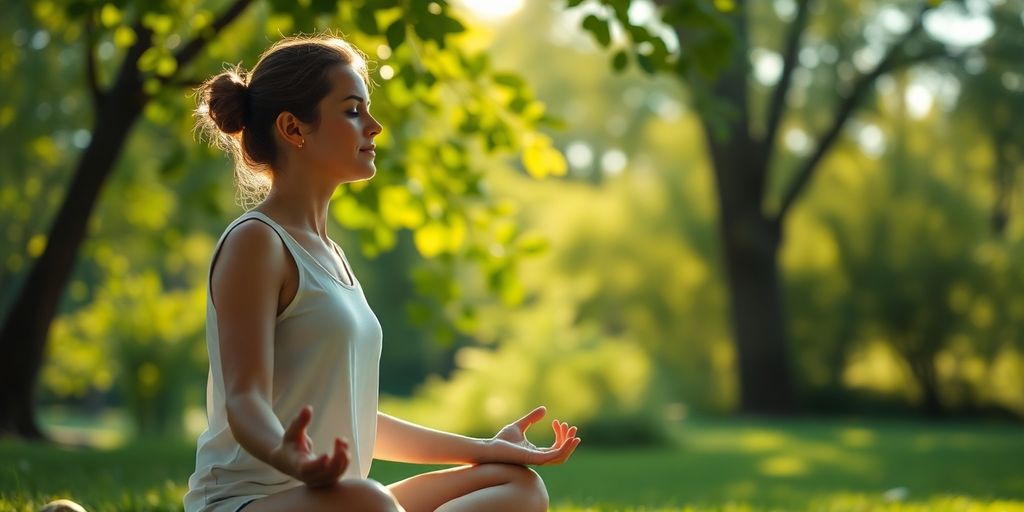
Mindfulness isn’t just a buzzword; it’s a powerful tool for managing anxiety. By focusing on the present moment without judgment, you can break the cycle of anxious thoughts. Mindfulness reduces stress, enhances mental and physical health, and boosts overall happiness. Try this simple exercise: sit quietly and notice five things you can see, four you can touch, three you can hear, two you can smell, and one you can taste. This practice can help ground you in the present and shift your focus away from anxiety.
Guided Imagery and Visualization
Guided imagery involves using your imagination to create calming and positive images in your mind. Picture a place where you feel safe and happy, like a beach or a peaceful forest. Engage all your senses: feel the warmth of the sun, hear the gentle rustle of leaves, and smell the fresh air. This technique can induce feelings of well-being and safety, providing a mental break from stress.
The Science Behind Meditation and Anxiety
Research shows that meditation can be just as effective as medication for reducing anxiety in some cases. Meditation practices, such as focusing on your breath or repeating a calming mantra, can help quiet the mind. Regular meditation can lead to long-term changes in the brain that enhance emotional regulation and decrease stress levels. It’s a practice that can be incorporated into daily life for lasting benefits.
Taking time each day to practice mindfulness and meditation can transform your relationship with anxiety. It’s about finding a few moments of peace amid the chaos of daily life.
Physical Activities to Alleviate Anxiety
The Impact of Exercise on Mental Health
Regular exercise is a fantastic way to reduce anxiety symptoms and improve your overall quality of life. When you get your body moving, it releases endorphins, which are chemicals in the brain that act as natural painkillers and mood elevators. Exercise raises your body temperature, which can have calming effects on the mind. Plus, it boosts self-esteem and confidence, making you feel more in control of your life. Whether it’s a brisk walk, a jog, or a dance session in your living room, moving your body can help ease anxiety.
Simple Stretches to Release Tension
Sometimes, anxiety manifests as physical tension in the body. Simple stretches can be an effective way to release this tension and calm your mind. Here are a few stretches you can try:
- Neck Stretch: Gently tilt your head to one side, bringing your ear towards your shoulder. Hold for a few seconds, then switch sides.
- Shoulder Roll: Lift your shoulders up towards your ears, then roll them back and down. Repeat several times.
- Forward Bend: Stand with feet hip-width apart, bend at the hips, and let your arms hang towards the floor. This stretch helps release tension in the back and shoulders.
Incorporating these stretches into your daily routine can help you manage stress and anxiety more effectively.
Incorporating Movement into Your Routine
Finding time to exercise can be challenging, but incorporating small bursts of movement into your day can make a big difference. Here are some ideas:
- Take the stairs instead of the elevator.
- Park further away from your destination to get more steps in.
- Set a timer to remind yourself to stand up and stretch every hour if you work at a desk.
By making these small changes, you can create a more active lifestyle that helps keep anxiety at bay. Remember, the goal is to find activities you enjoy, so it doesn’t feel like a chore. Keeping active not only helps with anxiety but also supports your overall well-being.
Cognitive Strategies to Manage Anxious Thoughts
Thought Reframing Techniques
When anxious thoughts start swirling in your mind, it can feel like you’re caught in a storm. One way to calm this storm is by reframing those thoughts. Start by identifying the negative thought patterns. Are you catastrophizing, assuming the worst will happen? Or maybe you’re personalizing, thinking everything is your fault? Once you’ve pinpointed these patterns, challenge them. Ask yourself, "Is this thought based on facts, or is it just my anxiety talking?" Reframing isn’t about lying to yourself; it’s about finding a more balanced perspective. For instance, instead of thinking, "I’ll never get this right," try, "I can learn from this experience." Changing your inner dialogue can help lessen anxiety’s grip.
Using Mantras for Mental Calmness
Mantras can be a powerful tool to steer your mind away from anxiety. Think of them as mental anchors that ground you when your thoughts drift into turbulent waters. Choose simple, positive phrases that resonate with you. It could be something like "This too shall pass" or "I am safe and calm." Repeat your mantra silently or aloud whenever anxiety creeps in. The repetition helps to drown out the noise of anxious thoughts, providing a sense of peace and control. Over time, mantras can become a go-to strategy for instant calm.
Scheduling Worry Time Effectively
It might sound counterintuitive, but scheduling a specific time to worry can actually reduce anxiety. Allocate a 15-minute window each day, maybe at 3 p.m., to focus on your worries. During this time, let your anxious thoughts flow freely. Write them down if it helps. Once the time is up, close the book on your worries and shift your focus back to the present. If anxious thoughts arise outside of this window, gently remind yourself that it’s not worry time yet. This technique helps contain anxiety, preventing it from spilling over into every part of your day. By acknowledging your worries in a controlled manner, you can minimize their impact on your overall well-being.
Building a Support System for Anxiety Management
The Importance of Sharing Your Feelings
Opening up about your feelings can be a game-changer when dealing with anxiety. Talking to someone you trust can help lighten the emotional load and provide a fresh perspective on what you’re going through. Whether it’s a close friend, family member, or a mental health professional, sharing your thoughts can make you feel less isolated. It’s important to remember that expressing your emotions isn’t a sign of weakness; it’s a step towards healing.
Finding Professional Help
Sometimes, anxiety needs more than just a chat with friends. Seeking professional help is a vital step. Therapists and counselors are trained to guide you through anxiety management techniques. They can help you understand your anxiety and develop strategies to cope with it. Cognitive Behavioral Therapy (CBT) is one popular approach that has proven effective for many. Don’t hesitate to reach out to a healthcare provider to discuss your symptoms and explore treatment options.
Peer Support and Community Resources
Getting involved in peer support groups can be incredibly beneficial. These groups provide a safe space to share experiences and learn from others who are facing similar challenges. Community resources, such as workshops or local support networks, can also offer valuable tools for managing anxiety. Engaging with these resources can help you feel connected and understood, which is crucial for managing stress and anxiety. Remember, close relationships and social connections play a significant role in mental health and well-being.
Lifestyle Changes for Long-Term Anxiety Relief
The Role of Nutrition in Mental Health
Eating right isn’t just about keeping your body in shape; it’s also about keeping your mind in check. A balanced diet can play a huge role in managing anxiety. Imagine your brain as a car engine: it needs the right fuel to run smoothly. Foods rich in omega-3 fatty acids, like salmon and walnuts, can be great for brain health. Whole grains, leafy greens, and berries are also excellent choices. They help stabilize your mood and keep those anxiety levels down. Avoid too much caffeine and sugar, as they can spike anxiety and make you jittery.
Establishing a Healthy Sleep Routine
Sleep and anxiety are like two sides of the same coin. If one is off, the other usually is too. To keep anxiety at bay, try to stick to a regular sleep schedule. Go to bed and wake up at the same time every day, even on weekends. Create a relaxing bedtime routine—maybe a warm bath or some light reading. Keep your bedroom cool and dark, and avoid screens before bed. If you’re tossing and turning, get up and do something calming until you feel sleepy again. This way, your bed becomes a place for rest, not stress.
Balancing Work and Personal Life
Finding the right balance between work and personal life can be tricky, but it’s crucial for managing anxiety. Start by setting clear boundaries. When you’re off the clock, really be off. Turn off work emails and focus on things that relax you. Make time for hobbies, family, and friends. It’s not just about working less, but about living more. Remember, it’s okay to say no to extra work or social commitments if they stress you out. Prioritize what truly matters to you and stick to it.
Making these lifestyle changes isn’t a quick fix, but over time, they can lead to lasting relief from anxiety. It’s about creating a life that supports your mental well-being and helps you feel more grounded and in control.
Wrapping It Up
So there you have it, my go-to tips for easing anxiety. Remember, it’s all about finding what works for you. Maybe it’s a quick walk, a chat with a friend, or just taking a deep breath. Everyone’s different, and that’s okay. The key is to keep trying and not be too hard on yourself. Anxiety can be tough, but with a little patience and practice, you can find ways to manage it. Don’t forget, if things get too overwhelming, reaching out for help is always a good idea. Take care and be kind to yourself.
Frequently Asked Questions
What are some quick ways to calm anxiety?
Try doing a reality check by asking yourself how likely it is that what you’re worried about will actually happen. Share your feelings with someone you trust to get a fresh perspective. Also, remind yourself that you’re safe and redirect your nervous energy through physical activities like walking or cleaning.
How can breathing techniques help with anxiety?
Breathing slowly and deeply can calm your body. Techniques like diaphragmatic breathing, where you breathe deeply into your belly, can help engage the part of your nervous system that calms you down.
What role does mindfulness play in reducing anxiety?
Mindfulness involves focusing on the present moment without judgment. It includes practices like deep breathing and guided imagery, which can help relax your mind and body, reducing stress and anxiety.
When should I seek professional help for anxiety?
Consider seeking help if your anxiety is constant, interferes with daily life, or causes panic attacks. A mental health professional can provide therapy or medication if needed.
Can exercise really help with anxiety?
Yes, physical activities like running, walking, or even simple stretches can reduce anxiety by releasing tension and boosting your mood.
How can I use mantras to manage anxiety?
Repeating calming phrases can shift your focus away from anxious thoughts. Try saying things like “This feeling will pass” to help your mind settle.

 Neurofeedback Strong
Leave a comment